We had a one-night layover in the town of Slane. It was mainly a layover to break up the distance between Birr and our next major destination as you can tell from our accomidations:
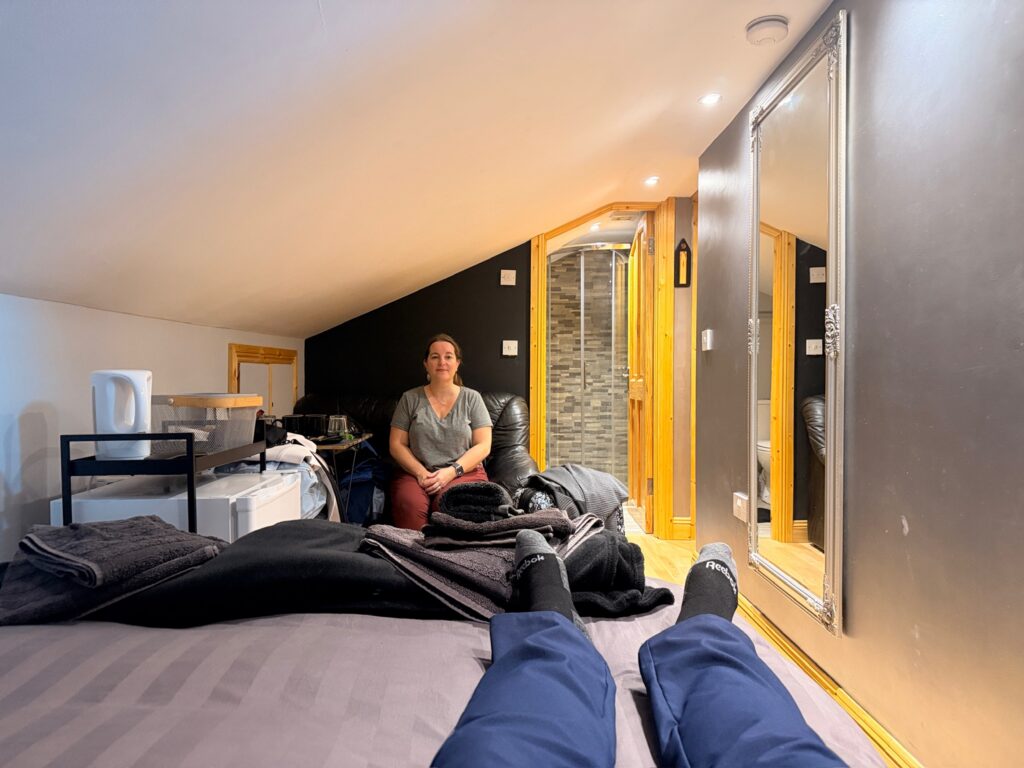
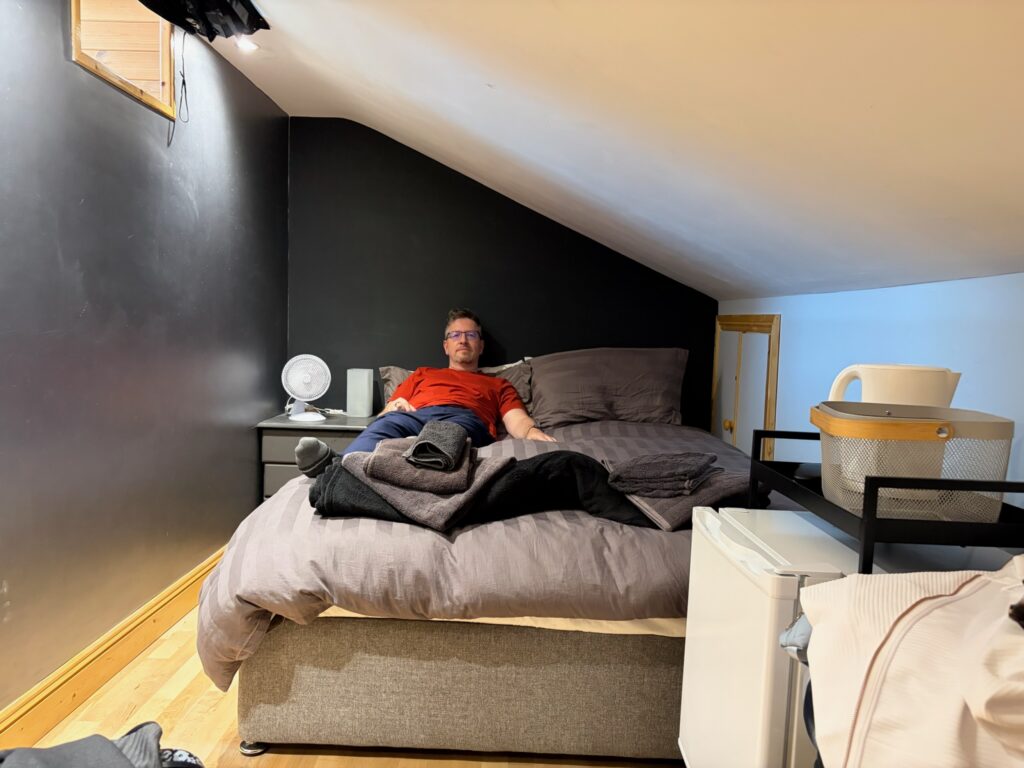
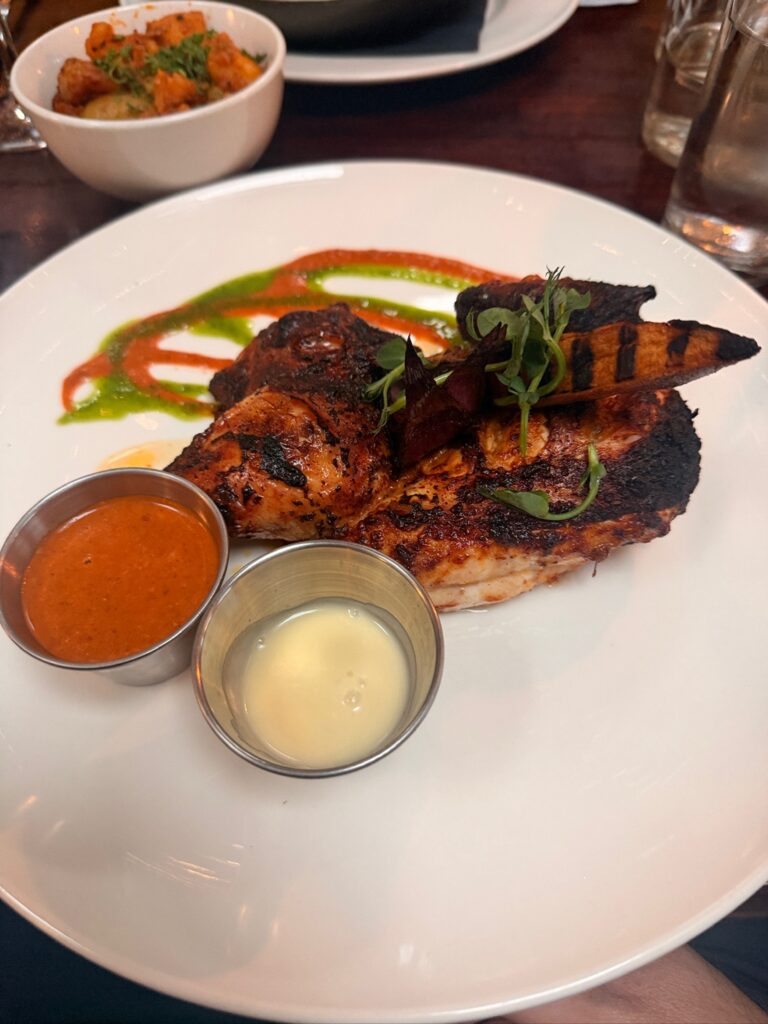
This was our first B&B, and our room was basically an eave of the house’s attic. Our host, Donal, was extremely kind and helpful, even going so far as to book us dinner at Inside Out, an award winning eatery where we had duck wings in a BBQ sauce made with the local Slane Whiskey, seafood linguini, and spatchcock chicken.
Hill of Slane
The next morning we woke to weather that wasn’t as nice as we had enjoyed the previous day, so our morning plans were in question. Our first stop was supposed to be the Hill Of Slane, but when we arrived the parking-lot was empty except for this sign:
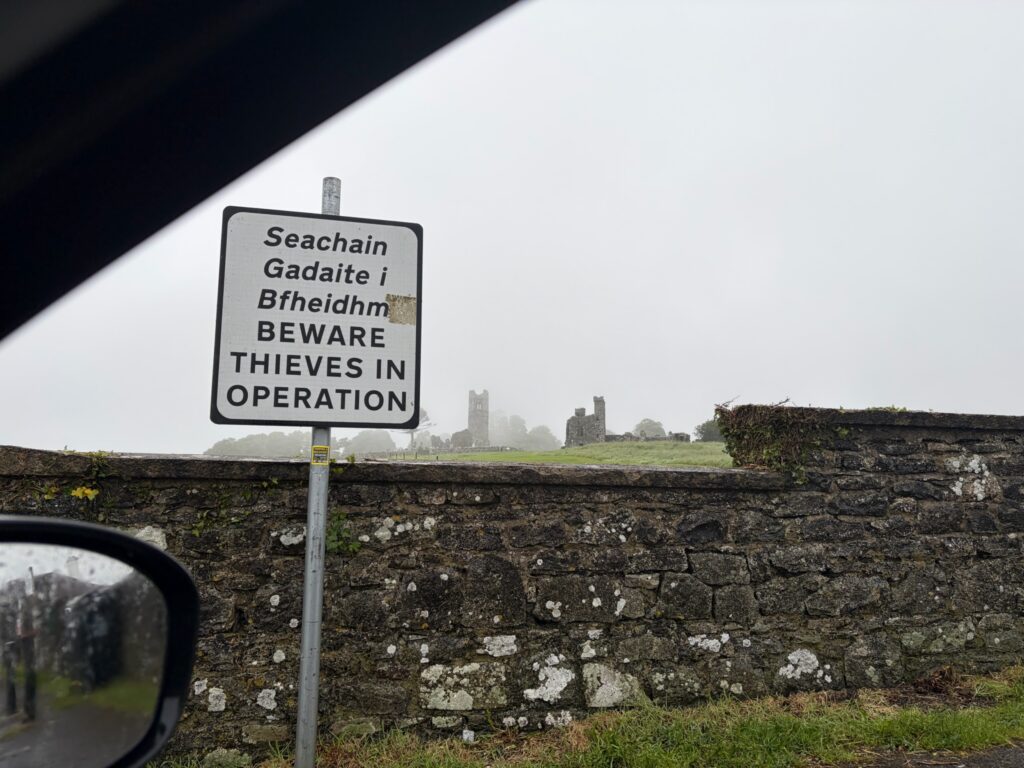
Since we were on our way to our next destination with all of our luggage in the car we opted not to take a chance just to skulk around some dead guy’s wrecked house.
Trim Castle
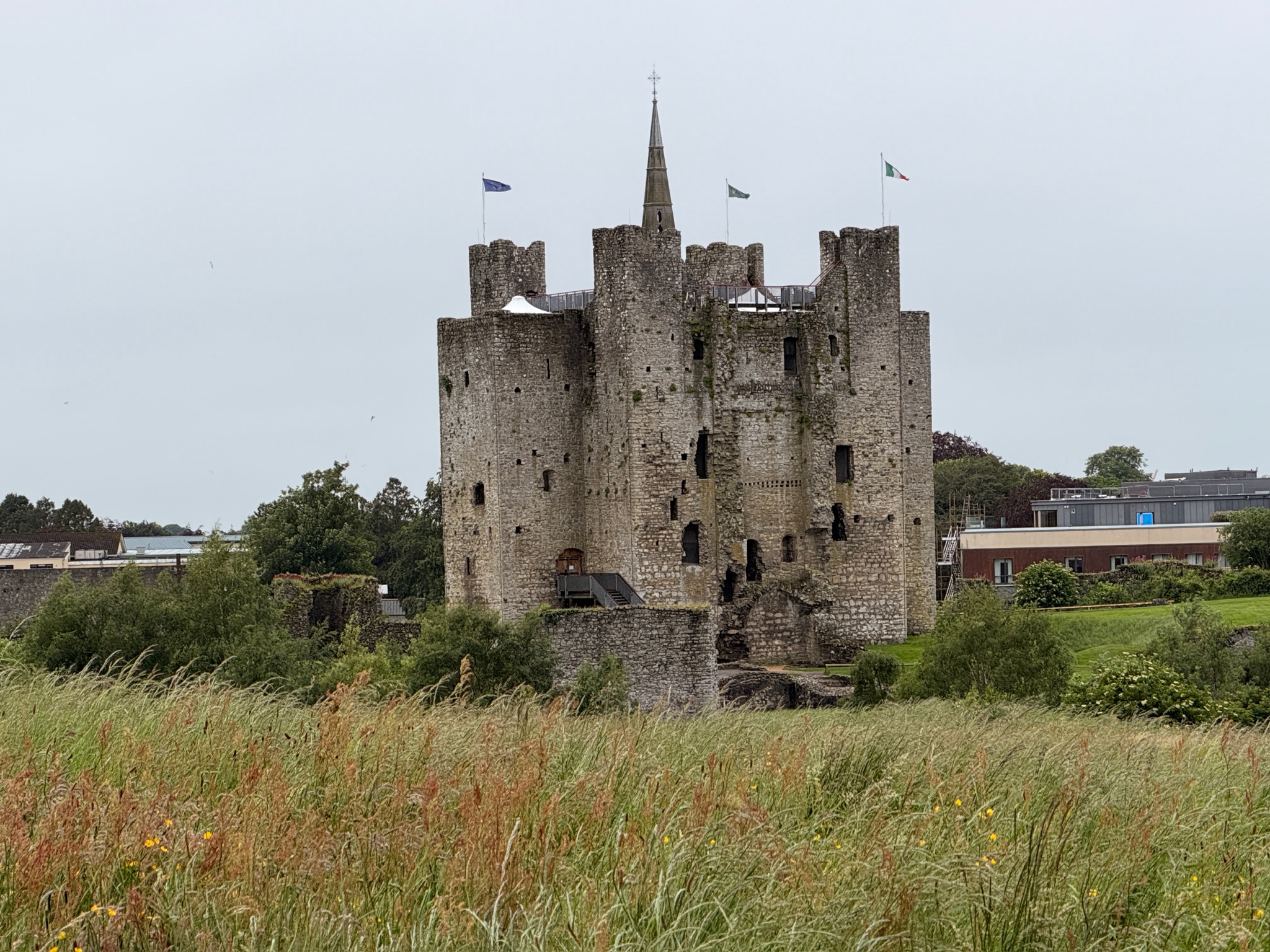
Our next stop was Trim Castle, situated in beautiful downtown Trim. It’s actually in the middle of downtown Trim.
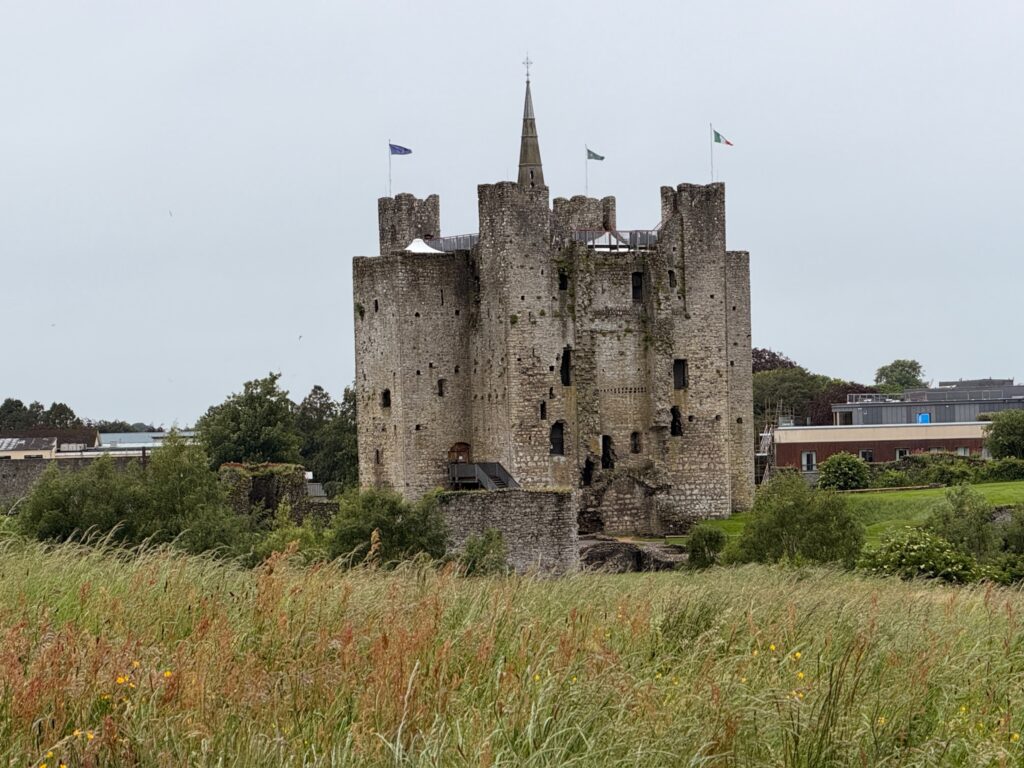
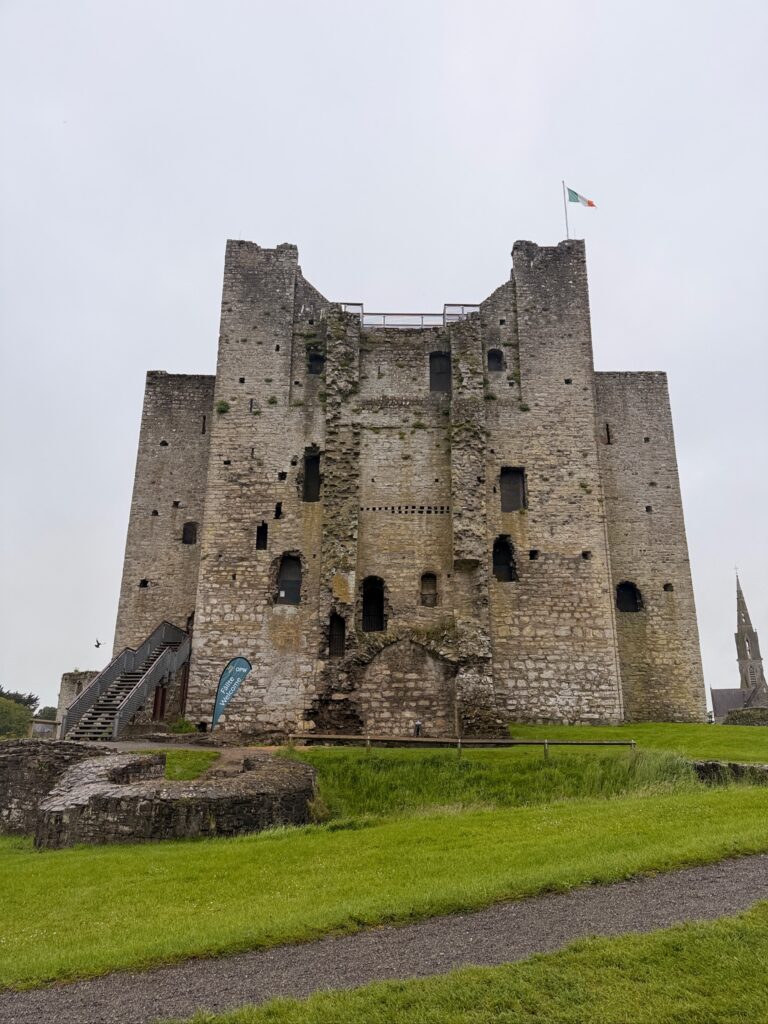
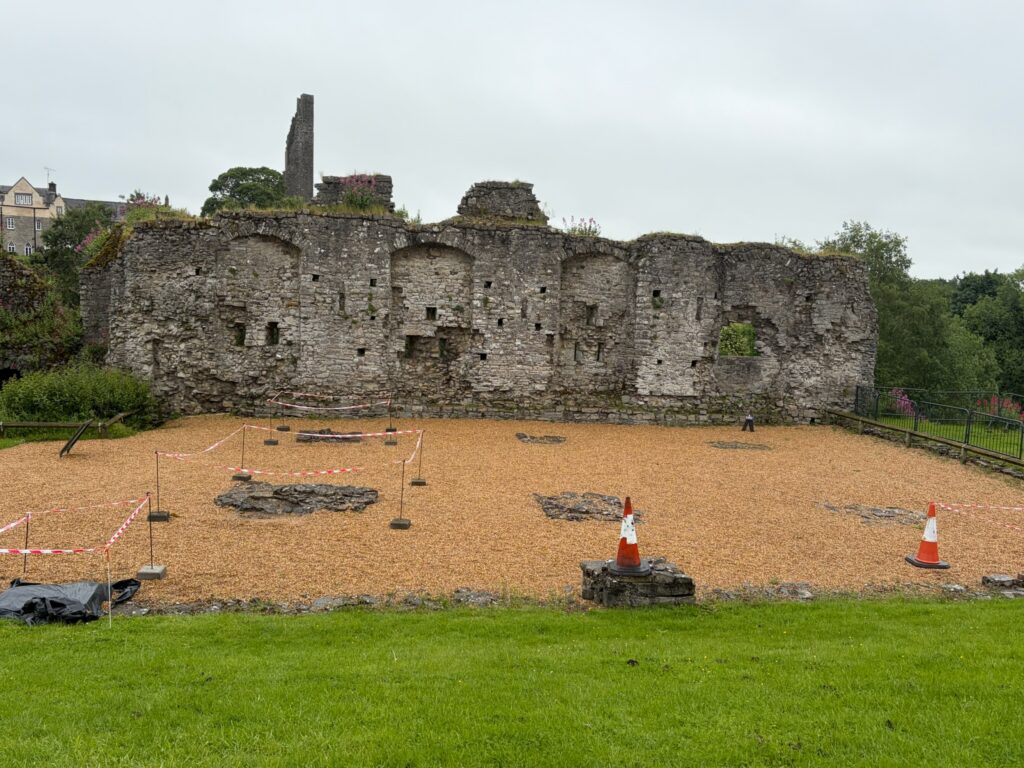
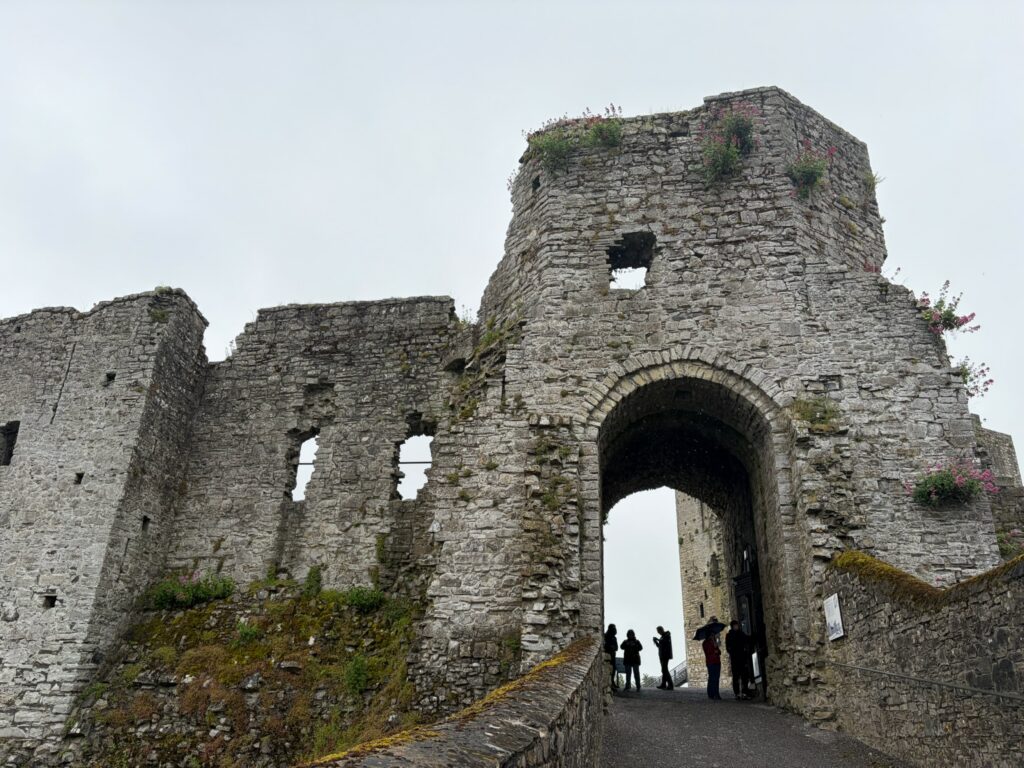
The castle is the largest Anglo-Norman fortification in Ireland. For 30 years, Hugh de Lacy and his successors built and re-built the fortifications in response to evolving threats during that time. While most of the original curtain walls and D-shaped towers are either gone or mostly-gone, the 3-story, 20-sided tower was structurally sound and was open for guided tours; however, there were over 170 narrow, stone stairs and none of the floors contained furniture or furnishings, so we opted to simply walk the grounds.
Hill of Tara
In keeping with the “large mounds of dirt with dead people inside” theme from the previous day, we moved on to the Hill of Tara. This location was in use since the Stone Age, when a “passage tomb” was built there. Its heyday came during the Iron Age and during early Christianity as the seat of Ireland’s High Kings.
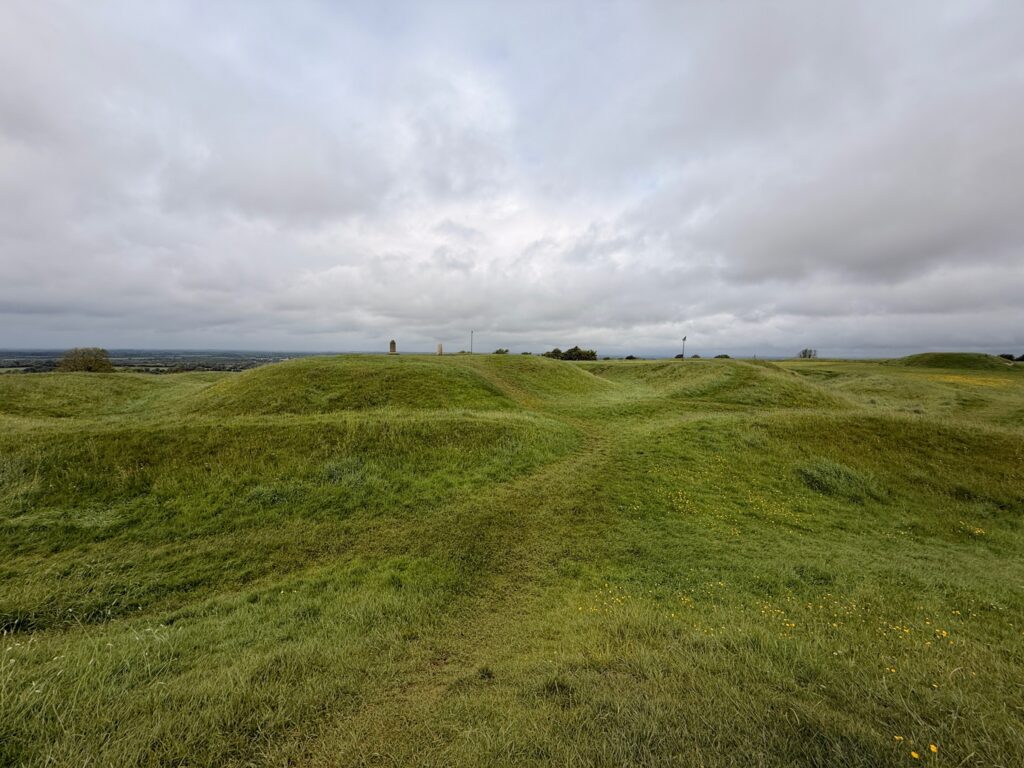
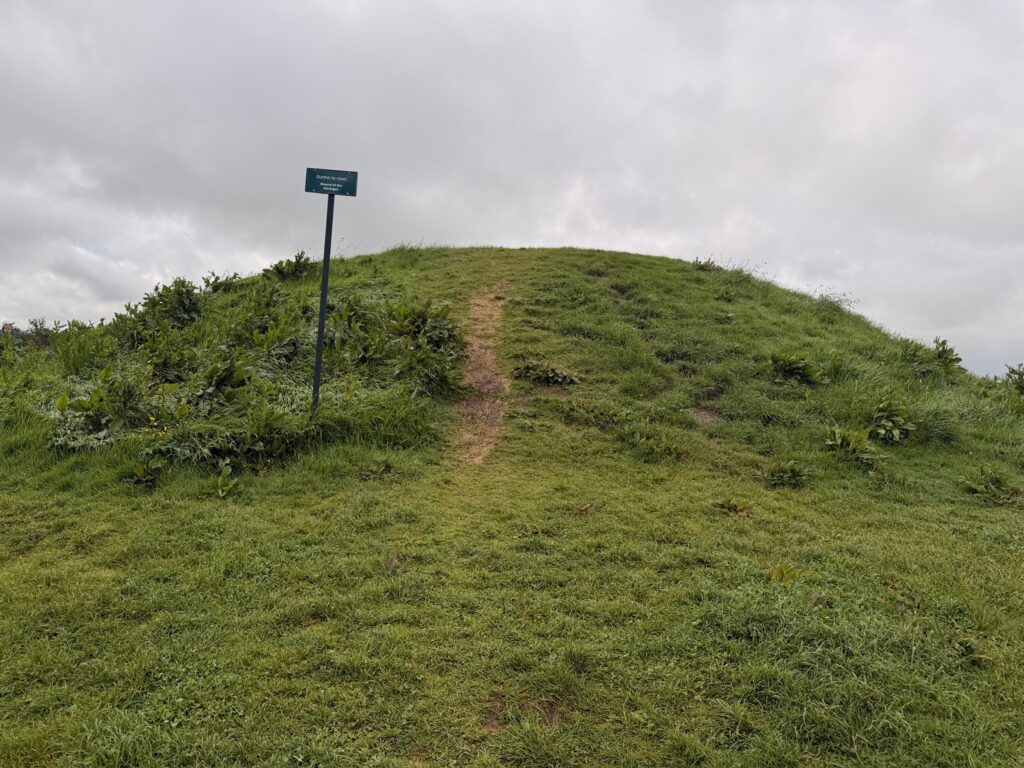
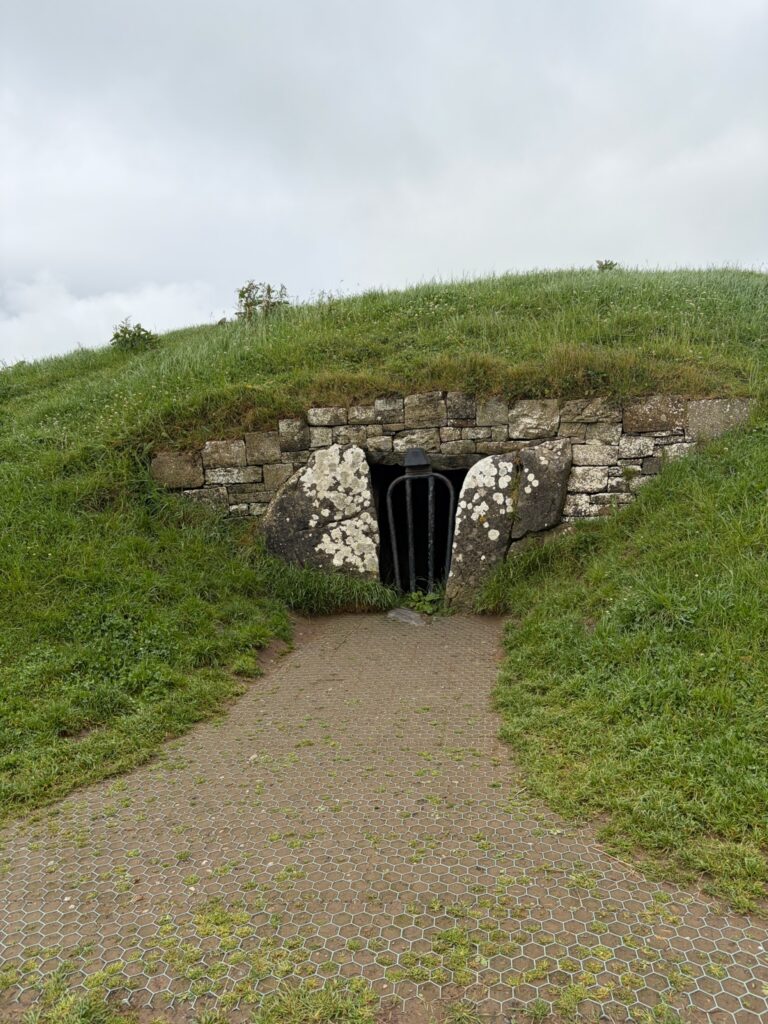
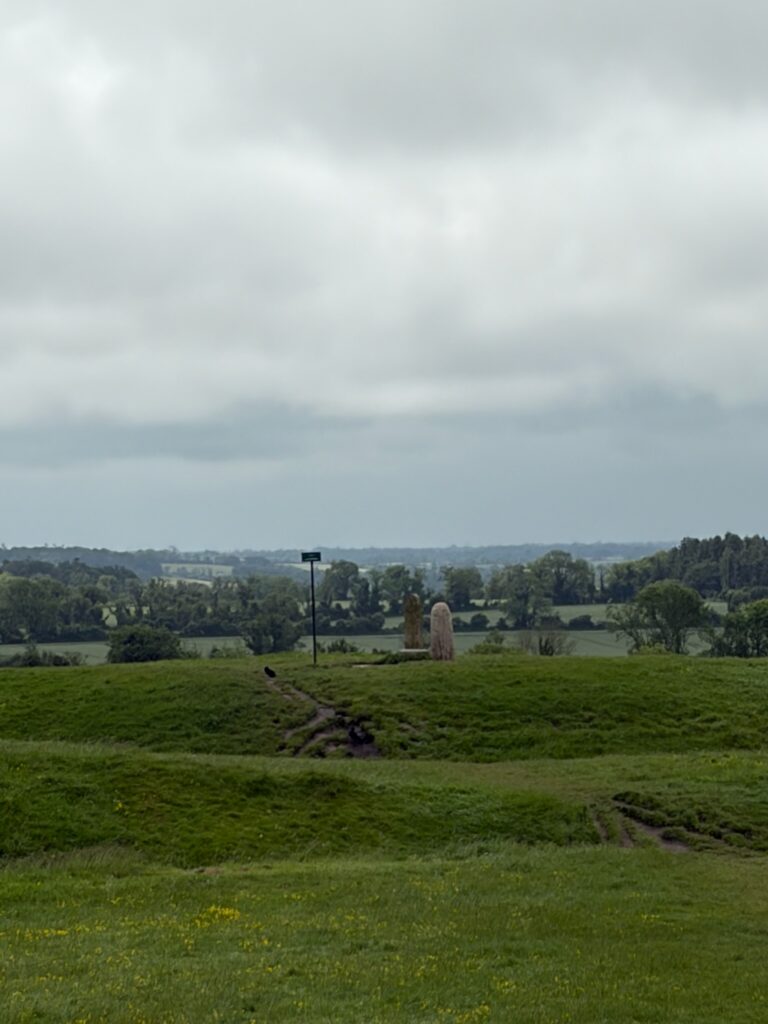
Unfortunately, because the mounds on the hill are so large and so spread out it was impossible to get a good, representative picture of the whole place.
Leave a Reply